

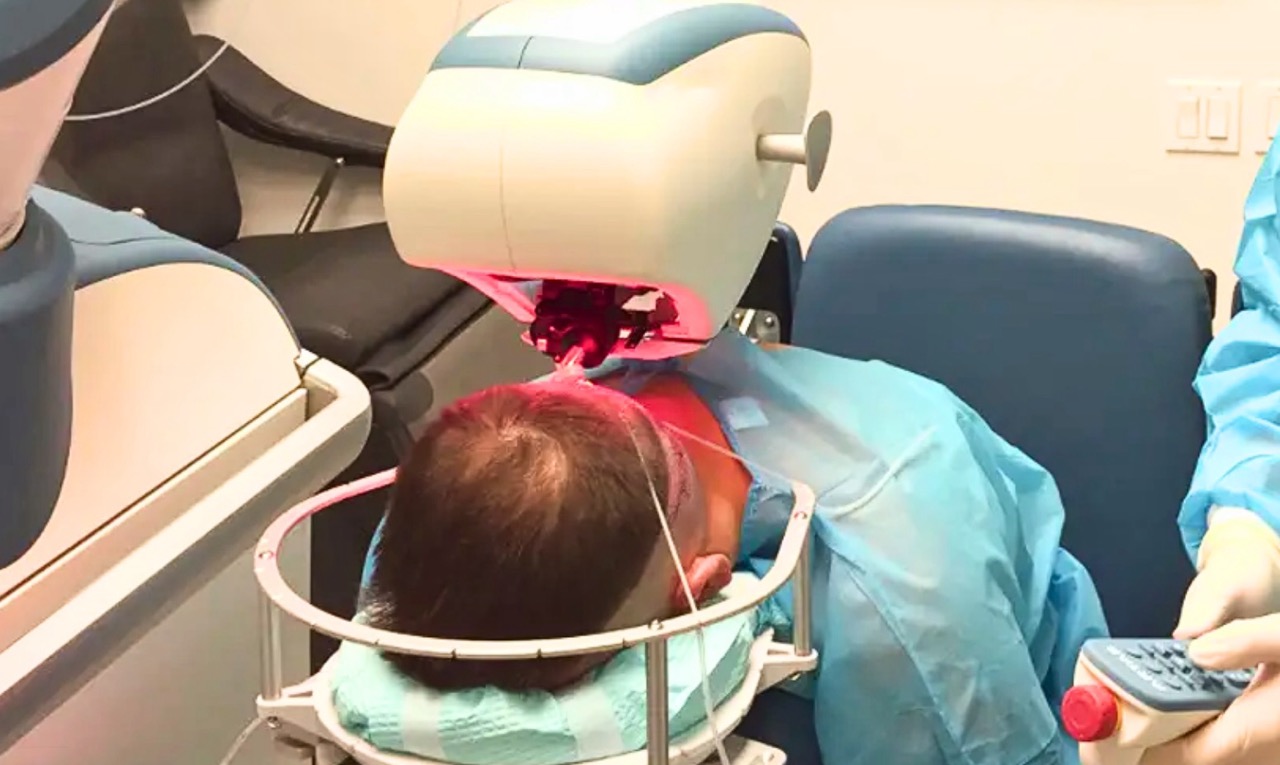
Robotic Hair Transplant – Cutting-Edge Technology in Hair Restoration
A robotic hair transplant using cutting-edge technology represents one of the most advanced developments in modern hair restoration. By combining artificial intelligence with surgical precision, robotic systems help doctors achieve more consistent, natural-looking results while minimizing human error.
What Is a Robotic Hair Transplant?
A robotic hair transplant is a technology-assisted procedure that uses advanced imaging, AI algorithms, and robotic arms to assist surgeons during hair follicle extraction and placement. Rather than replacing the surgeon, the system enhances accuracy and consistency throughout the procedure.
Moreover, robotic assistance allows for precise analysis of hair angle, density, and donor quality, which is essential for long-term success.
Robotic Hair Transplant: Cutting-Edge Technology Explained
The core strength of robotic hair transplant cutting-edge technology lies in its ability to analyze thousands of hair follicles in real time. As a result, only the healthiest grafts are selected, helping preserve the donor area and improve survival rates.
Key Technologies Used in Robotic Hair Transplant
- High-resolution 3D scalp imaging
- Artificial intelligence follicle analysis
- Robotic-assisted graft extraction
- Precision angle and depth control
- Data-driven hairline planning
Benefits of Robotic Hair Transplant Technology
Patients choose robotic hair transplantation because it offers multiple advantages over traditional manual techniques. However, the success still depends heavily on the surgeon’s expertise.
- Increased graft consistency
- Reduced follicle damage
- Better donor area preservation
- More natural hairline design
- Shorter extraction time
Does Robotic Technology Guarantee Better Results?
While robotic systems provide remarkable precision, technology alone does not guarantee success. A skilled surgeon must still design the hairline, control density, and manage graft placement. Therefore, robotic systems should be viewed as an advanced tool rather than a replacement for medical expertise.
According to Healthline’s medical overview of hair transplants , surgical planning and experience remain the most important factors in achieving natural results.
Who Is an Ideal Candidate for Robotic Hair Transplant?
Robotic hair transplant cutting-edge technology is especially suitable for patients with strong donor density and stable hair loss patterns. It is commonly used in FUE-based procedures where precision extraction is critical.
However, patients with curly hair, extensive scarring, or complex hair loss patterns may require a hybrid or manual approach for optimal results.

Robotic vs Traditional Hair Transplant Methods
Compared to manual FUE, robotic systems offer higher consistency and reduced fatigue-related errors. Nevertheless, traditional methods remain highly effective when performed by experienced surgeons.
To better understand modern techniques, you can read our detailed comparison guide on FUE and DHI hair transplant methods .
Final Thoughts
Robotic hair transplant cutting-edge technology has transformed the field of hair restoration by enhancing precision and efficiency. When combined with expert medical planning, it can deliver highly natural, long-lasting results. Choosing the right clinic and surgeon remains the key factor in success.
Related Keyphrases:
- advanced hair transplant technology
- AI-assisted hair restoration
- robotic FUE hair transplant systems
