Why Is the DHI Hair Transplant More Expensive?
The cost of a DHI hair transplant can vary widely depending on several factors. Globally, prices may range from $2,500 up to $40,000, with the higher cost mainly linked to the advanced technology and specialized instruments used during the procedure.
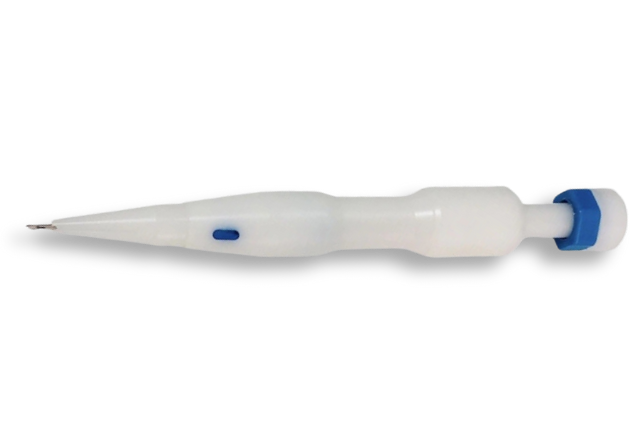
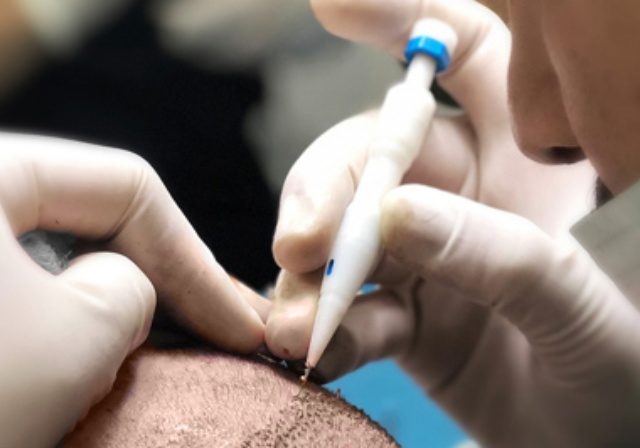
One of the key cost drivers is the Choi implanter pen, an essential tool in DHI. A set of these pens can cost between $550 and $1,000 for a pack of ten, which directly impacts the overall treatment price.
Factors That Affect DHI Hair Transplant Pricing
We understand that pricing plays an important role when choosing a hair transplant. The following elements influence the total cost of a DHI hair transplant procedure:
-
Use of advanced tools such as the Choi Implanter Pen
-
High level of expertise required to master the DHI technique
-
Need for a larger, specialized medical team
-
Total number of grafts needed for optimal coverage
Is a DHI Hair Transplant Worth the Investment?
Yes, absolutely. DHI hair transplantation is a highly effective, long-term solution for hair loss and baldness. It delivers natural-looking, permanent results while also protecting newly implanted grafts during the healing phase. When performed correctly, DHI offers strong value for patients seeking precision and density.
DHI Hair Transplant in Turkey: A Smart Choice
Turkey has become one of the top destinations for DHI hair transplants, attracting patients worldwide. The country is known for its experienced surgeons, high success rates, affordable pricing, and excellent post-operative care—making it an ideal choice for hair restoration.
How Much Does DHI Cost in Turkey?
While DHI hair transplant costs in the USA typically range between $3,500 and $30,000, prices in Turkey are far more accessible, usually falling between $3,000 and $8,000.
In most cases, DHI in Turkey costs around $2,500 to $6,000, making it slightly more expensive than FUE. This difference is due to the skill-intensive nature of the procedure and the mandatory use of the Choi pen.
Recovery Process and Expected Results
The DHI hair transplant technique offers impressive outcomes with a success rate of 95%–98%. Below is a clear timeline of what to expect after the procedure.
First Week After DHI
Shortly after surgery, you will revisit the clinic to remove bandages. The grafts are examined, the scalp is cleaned, and progress photos are taken.
Around day three or four, your first professional wash is performed at the clinic. This includes applying a special solution for about 30 minutes before gentle cleansing. You’ll also receive detailed aftercare instructions to protect the grafts at home.
By the end of the first week, the most sensitive phase is over.
Second Week
The transplanted follicles become more secure, but careful handling remains essential. Mild shedding may begin—this is completely normal and part of the healing cycle. Shedding can last 2–3 months.
Continue using only the products recommended by your doctor. Wash gently using a bowl or light water flow, avoid direct shower pressure, and never rub with a towel. If needed, use a hairdryer on the coolest setting only.
One Month After Surgery
Temporary shock loss may occur. While it can be worrying, this phase is expected and signals the start of new hair growth shortly afterward.
From 6 to 12 Months
Visible hair growth increases steadily. Density and texture improve, and results become more noticeable. Full results typically appear between 12 and 18 months.
Your medical team will guide you through each stage to ensure optimal healing and results.
Does DHI Heal Faster Than Other Techniques?
Yes. Due to smaller, precise incisions, DHI offers a faster recovery period compared to traditional hair transplant methods.
When Will You See Results from DHI?
Early growth usually begins between 6 and 12 months, with final, mature results becoming fully visible around 12 to 18 months post-procedure.
Does DHI Cause Visible Scarring?
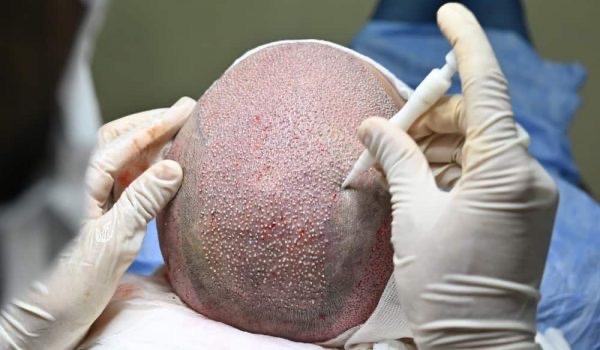
No. The Choi implanter pen creates micro-incisions measuring only 0.6 mm to 0.9 mm, making scars virtually undetectable. This refined technique also lowers the risk of complications and ensures a smooth, natural-looking outcome.